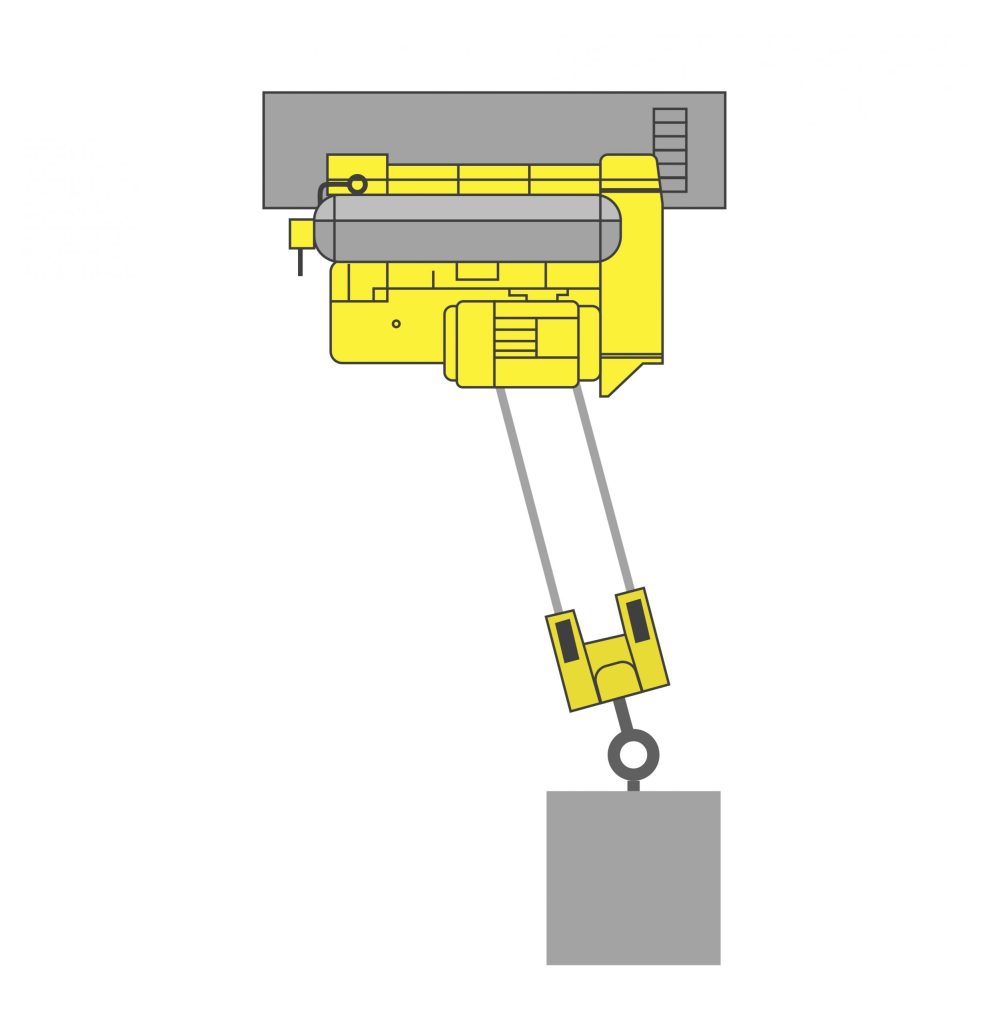
(Image sourced from: Laser View Technologies)
The Hidden Danger of Side Pulling in Overhead Cranes
Overhead cranes play a crucial role in industrial operations, streamlining the process of lifting and transporting heavy loads with efficiency and precision. However, improper usage of these cranes can lead to serious safety risks. One of the most overlooked yet hazardous mistakes in crane operation is side pulling. This seemingly small error can cause severe equipment damage, workplace accidents, and even fatalities if not properly addressed.
In this blog, we will explore the hidden dangers of side-pulling and why side-pulling in overhead cranes is so dangerous, the potential consequences, and best practices to ensure safe crane operations.
What Is Side Pulling?
Side pulling occurs when a load is lifted while not being directly centered under the hoist. Ideally, an overhead crane is designed to lift loads in a purely vertical motion. However, when a crane operator attempts to lift a load that is off-center or applies horizontal force while hoisting, it leads to a dangerous side pull. This can happen due to various factors, including:
- Improper positioning of the load before lifting.
- Misuse or lack of operator training.
- Hoist misalignment with the load.
- Dragging a load using the crane instead of proper transportation methods.
While it may seem like a minor issue, side pulling introduces a multitude of risks that can compromise both worker safety and equipment integrity.
The dangers of side-pulling.
1. Load Swing and Instability
One of the most immediate dangers of side pulling is load swing. When a load is lifted from an off-center position, it can start to move unpredictably in a pendulum-like motion. A swinging load poses multiple risks:
- It can strike workers, leading to serious injuries or fatalities.
- The movement can cause shock loads, placing excessive stress on the crane’s structure.
- The swinging motion can result in collisions with surrounding objects, equipment, or structures.
2. Wire Displacement and Hoist Malfunctions
Cranes are designed to lift loads using a vertically aligned wire rope or chain. When side pulling occurs, it forces the rope or chain to move out of alignment, causing displacement. This can lead to:
- Rope misalignment within the hoist drum, leading to uneven wear and tear.
- Snagging or fraying of the rope, increasing the risk of sudden failure.
- Hoist malfunctions, including gear misalignment and structural damage.
A displaced wire rope can quickly turn into a mechanical failure, halting operations and requiring costly repairs.
3. Damage to the Hoisting Mechanism
Side pulling places excessive stress on the hoist, trolley, and bridge structure, leading to significant wear and tear over time. The risks include:
- Derailed trolleys due to unbalanced force distribution.
- Bent or warped beams that weaken the structural integrity of the crane.
- Increased risk of hoist motor burnout, shortening the crane’s lifespan.
Ignoring these warning signs can lead to catastrophic equipment failure, potentially endangering workers and causing extended downtime.
4. Voiding the Manufacturer’s Warranty
Crane manufacturers explicitly prohibit side pulling as it is an unintended use of the equipment. Any damage resulting from side loading will not be covered under warranty, leaving businesses to bear the full cost of repairs or replacements. Given the high costs of industrial cranes, this can be a significant financial burden.
How to Prevent Side Pulling in Overhead Cranes
1. Proper Load Positioning Before Lifting
- Always ensure that the load is directly underneath the hoist before initiating a lift.
- If adjustments are needed, use proper material handling equipment such as forklifts or pallet jacks instead of the crane.
- Encourage operators to double-check alignment before engaging the hoist.
2. Operator Training and Certification
- Ensure that all crane operators receive proper training on safe lifting techniques.
- Conduct refresher courses to reinforce best practices and address common errors.
- Emphasize the dangers of side pulling in all safety training programs.
3. Use Anti-Sway Technology
- Invest in advanced crane systems with anti-sway technology to minimize unintended load movements.
- Consider using radio remote controls for more precise load positioning.
4. Regular Equipment Inspections
- Conduct routine inspections to identify signs of wear and tear caused by side pulling.
- Look for rope misalignment, excessive wear on gears, and structural bending.
- Address minor issues immediately before they turn into costly repairs.
5. Implement Strict Safety Policies
- Enforce strict no-side-pulling policies in the workplace.
- Encourage operators to report any instance of improper crane use.
- Conduct regular safety audits to ensure compliance with best practices.
Conclusion
Side pulling in overhead cranes may seem like a minor oversight, but its consequences can be severe. From swinging loads and hoist malfunctions to structural damage and voided warranties, the risks far outweigh any temporary convenience. By ensuring proper load positioning, operator training, and regular inspections, businesses can prevent costly accidents and maintain a safe working environment.
Safety Tip: Always ensure that the load is directly under the hoist before lifting!
🚧 Have you ever witnessed the dangers of side pulling in action? Share your experiences in the comments below and let’s work together to promote safer crane operations!
If you have some time please take a look at this basic workplace safety video on Overhead cranes and the hazard zones: https://www.youtube.com/watch?v=KdK76PCEo0k
#CraneSafety #OverheadCranes #WorkplaceSafety #HeavyLifting #IndustrialSafety